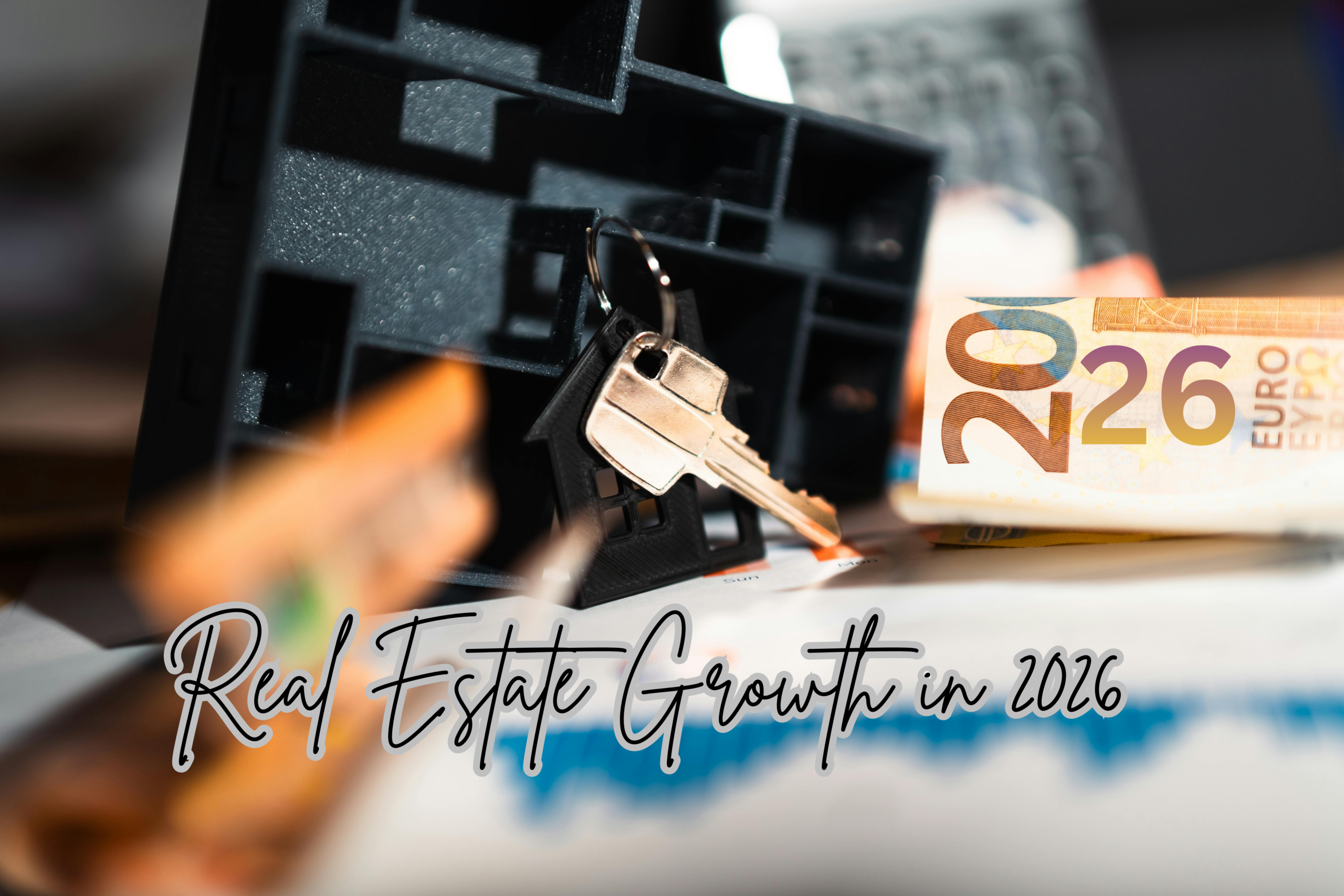
Technical AnalysisThe real estate sector has been experiencing unprecedented growth driven by technological innovation, demographic shifts, and evolving economic landscapes. This blog explores the technical drivers of real estate expansion.Real Estate Growth Trends: Over the last ten years, the global real estate sector has demonstrated strong and steady growth. Industry data shows that urban property prices rose by nearly 35% to 45% between 2016 and 2024, largely fueled by expanding infrastructure and rising as per country population demands. At the same time, a commercial real estate activity in that secondary cities grew by the about 25%, To be supported by the shift towards remote work and business decentralization. Additionally, investments in smart city projects and sustainable (green) real estate have been increasing by roughly 30% annually, with the most significant momentum seen across country.This sustained growth highlights real estate as not only a valuable financial asset but also a rapidly evolving technology-driven sector. What’s Fueling Real Estate Growth? Property market growth doesn’t just happen; it’s powered by several working forces together. Demographic Expansion Rising numbers of young people are relocating to urban centers in search of education, employment, and lifestyle opportunities. At the same time, the expanding middle class is creating stronger demand for homeownership and better living standards. Impact: This shift is driving significant growth in residential real estate development. Economic Policy & Institutional Investment Supportive economic policies, including lower interest rates, are encouraging borrowing and property investment. Additionally, institutional players such as sovereign wealth funds and REITs are channeling substantial capital into real estate markets. Impact: These factors are accelerating the expansion of commercial real estate projects. 3.Technological Adoption The industry is rapidly integrating advanced technologies, including IoT-enabled smart buildings. AI-powered property valuation tools, and blockchain-based systems that enhance transaction transparency and security. The sector’s technological evolution stands out as one of the most powerful drivers of its ongoing growth. Tech-driven change in the industry is one of the most powerful forces fueling its growth. Modern Tools and Technologies in Real Estate Technology has completely changed how real estate works today. From managing buildings to setting prices and closing deals, digital tools now make everything faster, smarter, and more reliable. The latest ProTech Platforms Property Technology, or PropTech, is leading this change by bringing smart digital solutions into the real estate world. AI-Powered Valuation ToolsThese tools use data, market trends, and smart algorithms to estimate property prices in real time. They help reduce guesswork and give more accurate property values. Digital Twin TechnologyA digital twin is a virtual copy of a real building. It helps owners and managers plan better, track performance, and spot problems early. This improves maintenance and makes buildings more efficient. Blockchain Smart ContractsSmart contracts handle lease agreements and property transactions automatically. They cut out middlemen, reduce paperwork, and keep records secure and tamper-proof. Benefits More accurate property pricing Faster and smoother transactions Better transparency and less risk of frauds. How Technology Systems Are Integrated in Real Estate Adding advanced technology to real estate operations isn’t random — it requires proper planning and a clear system structure. Here’s a simple breakdown of how everything connects behind the scenes: Step-by-Step System process: 1.Collecting and Storing the Data Real estate platforms gather information from many places like market reports, government property records, and smart building sensors. All this data is stored in cloud storage systems such as AWS S3 or Azure Blob, which act like large digital warehouses. Processing the Data The raw data isn’t ready to use right away. It goes through by the processing tools like that Apache NiFi or AWS Glue. These systems clean the data, organize it, and prepare it so it can be used for analysis and decision-making. AI and Analytics Once the data is the ready, it’s a used in AI systems built with tools like TensorFlow and PyTorch. These systems help predict property values, market latest trends, high or low risks, and better investment opportunities. The results are shown on dashboards that make insights easy to understand. Applications People Use All this intelligence connects to websites, mobile apps, and business systems. It also links with CRM and ERP software so companies can manage customers, sales, and operations smoothly. Security and Legal Compliance The strong security measures are used to protect data. Access is controlled based on user roles, and systems follow privacy laws like GDPR and local data protection rules to keep information safe and legal. Real Estate Use Cases Powered by Technology Smart Property Management Buildings today are getting smarter. With IoT devices installed, property managers can track things like electricity usage, security systems, water consumption, and how spaces are being used — all in real time. This helps them spot problems early, reduce energy waste, schedule maintenance automatically, and run buildings more efficiently. Automated Valuation Models (AVMs) Property valuation doesn’t have to take weeks anymore. Machine learning models can now estimate property prices quickly and accurately by analyzing large amounts of data. These models look at: Prices of similar properties Location details Market conditions and economic data Common technologies used: Python for building the models Scikit-learn for machine learning Cloud platforms to handle heavy data processing Digital Marketplaces & Virtual Tours Real estate transactions are moving online. Digital platforms now allow users to browse listings, compare properties, and connect with agents all in one place. AR and VR technologies take this a step further by offering virtual property tours. Buyers can explore homes or commercial spaces from anywhere without visiting in person. This saves time, lowers travel costs, and helps people make decisions more quickly and confidently. Benefits of Technology-Driven Real Estate Growth Efficiency Technology reduces manual work by automating everyday administrative tasks. Blockchain systems also make property transactions faster and smoother by cutting down delays and unnecessary paperwork. Insights & Analytics Real estate decisions are now backed by data instead of guesswork. Advanced analytics help investors understand market trends, while predictive models estimate risks

Property Buying Process
The buying a home can feel overwhelming, but understanding the process makes it much easier and more manageable. The first step is assessing your financial readiness. Review your savings, monthly income, existing debts, credit score and total financial stable. This helps you determine how much you can afford and prepares you for a home loan application. We are getting pre-approved for a mortgage is highly recommended, as it shows sellers you are a serious buyer and gives you a clear budget. Next comes house searching. Identify your needs versus wants, such as location, size, nearby schools, transport, and amenities. Work with a real estate agent to explore the suitable properties and schedule viewings. Once you find the right home, you make an offer based on market value, property condition, and recent sales in the area. The seller may accept, reject, or negotiate the offer. After the offer is accepted, legal and financial first checks begin. The includes property verification, title checks, home inspection, and finalizing your loans. Carefully review all documents before signing. Finally, once the payment is completed and paperwork’s is registered at local register office, and then ownership is transferred to you. With proper planning and professional guidance, the home buying journey becomes smooth and rewarding’s.

The Right Agent, The Right Deal’s
The choosing the right person in real estate agents can make the difference between a smooth property journey and a stressful one. A good agent does more than just show homes — they guide you through the pricing, paperwork’s, and negotiations, and market latest trends. The start by looking for an agent with strong local knowledge. Someone who understands the area’s property values, upcoming developments, and neighborhood benefits can help you make smarter decisions. Experience and communication style also matter. An agent should be responsive, patient, and willing to the explain every step as a clearly. The purchasing or selling property involves major the financial decisions, so you need someone who listens to your needs instead of pushing quick deals. Check their recent transactions, client reviews, and how they market properties. Transparency is another key factor. A trust worthy agent discusses fees, processes, and possible challenges openly. They should provide the very honest advices, even if it’s not what you want to hear, because their goal should be your long-term benefits. The finally, choose someone you feel comfortable with, Real estate deals take time, and working with a supportive, reliable agent reduces stress and builds confidence. The right agent doesn’t just close a deal — they help you make the right moves for your future.

Location help’s in Real Estate: Profit or Loss
The Location is one of the most important factors in real estate, because it directly affects a property’s values, demands, and future growth. A house can be renovated and improved, but its location can never be a changed. The Properties in good locations usually have better access to schools, hospitals, shopping centers, offices, and public transport, and etc. This convenience makes life easier for residents and increases the property’s attractiveness to buyers and tenants. The prime location also it means better safety, cleaner surroundings, and a stronger community. People are always willing to pay more to live in good areas that are 100% secure and well-developed like as school, hospital, market. Because of this high demand, properties in good locations often appreciate very faster over time. The Investors especially focus on the good locations, because it helps them earn higher rental income and long-term returns. The infrastructure development plays a big role too. New roads, electricity, metro lines, airports, and commercial projects can turn an ordinary area into a real estate hotspot. Buying property in an upcoming location can be a smart move, as prices may rise significantly in the future. On the other hand, properties in poor locations may face low demand, slower price growth, and difficulty in resale. Even a beautiful house may struggle to find buyers if it is far from essential services or in an unsafe neighborhood. According to the market researches “Good location gets more returns on investments, but poor locations selected get the poor returns on your investments”.

Residential vs Commercial Investments
The residential and commercial real estate investments are both more profitable to the customers, but they serve different goals and types of the investors. Understanding the difference helps you choose the right path based on your budget, risk level, and income expectations. Residential property includes the houses, apartments, and also villas where people live. It is easier to buy and manage, making it ideal for beginners. The demand for homes is always steady because people always need a place to live. Rental income is usually stable, and loans and Emi’s for the residential property are easier to get. However, more returns on may grow slowly compared to the commercial spaces, and tenant turnover can affect incomes. Commercial property includes offices, shops, malls, and warehouses and etc. These properties usually generate the very high rental income and long period lease agreements, which means more stable cash flows. Businesses often maintain the property better than residential tenants. But commercial investments need higher capital, and the risk can be greater if the space stays vacant during the economic slowdowns. In the simple terms, residential investment is safer and easier to start with very low level of risk but involves low returns on investments, but while commercial investments higher returns but involves more risk.

Real Secret of maximizing profit
The making more profit in real estate is about the purchasing, strategic improvements, and strong market awareness. The first rule is to buy below market value. Profits are often made at the time of purchase, not sale until the long-term period hold it. The Look for distressed properties, motivated sellers, or upcoming locations where better infrastructure projects and commercial developments are well planned. Growth areas usually deliver higher appreciation over time. The Successful investors also focus on the cash flows, not just appreciation. A property that generates steady on the rental income but reduces the risk and builds a consistent profit. Study rental demand, tenant profiles, and vacancy rates before investing. Areas near business hubs, colleges, hospitals, and transport facilities usually attract reliable tenants. The Market timing and negotiation skills also matter. Buying during slower market phases and selling when demand rises can increase margins. Strong negotiation at both purchase and sale stages directly impacts profits.Lastly, think long term. Holding property in growing areas allows you to benefit from price appreciation, rental income, and tax advantages., planning, and disciplined investments decisions is the real secret to maximizing profit in real estate.

How is it works real estate
The Real estate is a business of purchasing and selling and also leasing property such as land, houses, apartments, & commercial buildings. It simply works as a marketplace where property owners, buyers, investors, and tenants connect through by the agents, developers, and legal and paper works to completely transactions very smoothly. The process usually begins with identifying a need — whether someone wants to buy a house, invest in land, or sell a property. Real estate agents or agencies help by listing properties, marketing them, and matching them with the right buyers with the right time. Agents look the study of market trends, values, and location advantages to the guide of pricing and negotiations. Always the Buyer shows the one-time interest, inspections, documentation, and legal verification take place to ensure the property is clear of disputes and meets regulations. Financing also plays a key role, as many buyers use home loans or mortgages to fund purchases. After agreements are finalized, ownership is legally transferred through registration.The Real estate also involves development, where raw land is change into the NA layouts, villas, or commercial Building plans. But depend upon the Long-term value based upon the locations, infrastructure growth, and demands.